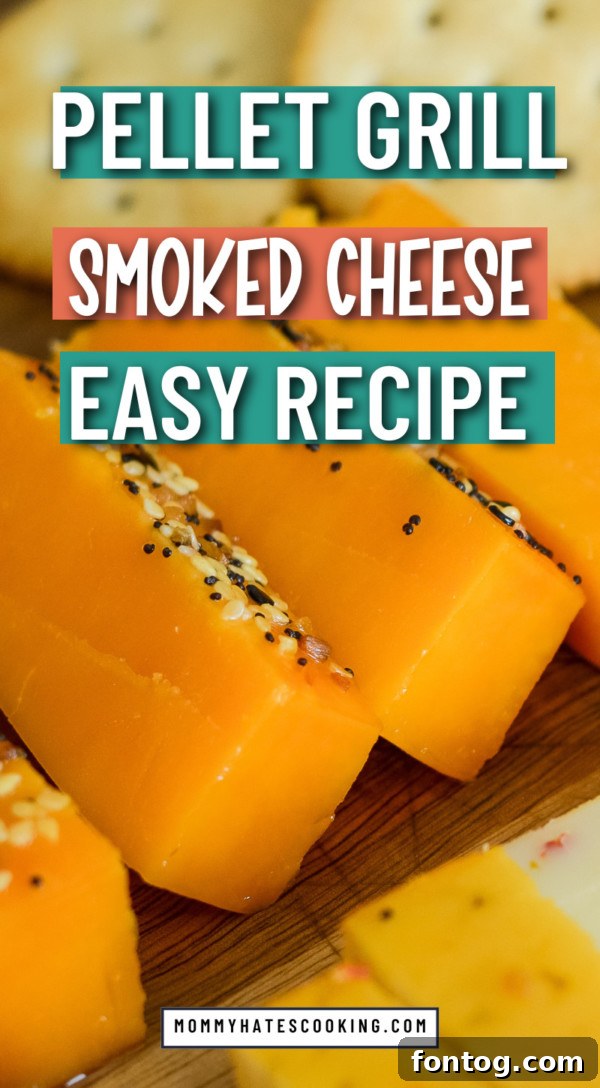
Mastering the Art of Cold Smoking Cheese on a Pellet Grill: A Comprehensive Guide
If you savor the rich, complex flavors of smoky cheese, then you’ve come to the right place. This detailed guide will walk you through the simple yet rewarding process of cold smoking cheese on a pellet grill, transforming ordinary blocks into extraordinary culinary delights. Cold-smoked cheese is not just a wonderful addition to any charcuterie board or appetizer spread; it’s a versatile ingredient that elevates countless dishes, adding a gourmet touch that is surprisingly easy to achieve at home.
Smoking cheese enhances its natural taste with a wonderful smoky aroma and depth. While often associated with professional delis, the technique of cold smoking cheese on a standard pellet grill is incredibly accessible. Prepare to impress your guests and tantalize your taste buds with artisanal-quality smoked cheese that you’ve crafted yourself.

Why Cold Smoke Cheese? The Difference Between Hot and Cold Smoking
Before diving into the “how,” it’s crucial to understand the “why” behind cold smoking cheese. Unlike hot smoking, where food is cooked and flavored simultaneously at higher temperatures (typically 180-275°F or 80-135°C), cold smoking focuses solely on imparting smoke flavor without significantly raising the food’s temperature. For cheese, this distinction is vital. Hot smoking would cause the cheese to melt into an unusable puddle, whereas cold smoking infuses it with smoky notes while maintaining its solid texture.
The goal of cold smoking cheese is to keep the internal temperature of the cheese below 90°F (32°C). This ensures that the cheese remains firm and intact, allowing the smoke to gently penetrate and flavor it over time. This method results in a beautifully firm, intensely flavored cheese that can be sliced, shredded, or crumbled with ease, making it perfect for snacking, cooking, or entertaining.
Choosing the Best Cheese for Smoking on a Pellet Grill
The foundation of great smoked cheese begins with selecting the right variety. Hard or semi-hard cheeses are unequivocally the best candidates for cold smoking. Their lower moisture content and firmer structure prevent them from melting prematurely under the subtle warmth generated during the cold smoking process. Avoid soft cheeses like Brie, Camembert, or fresh mozzarella (unless specifically prepared in a brine that helps it hold shape), as they are prone to melting even at low temperatures.
Here are some of the top cheese choices that perform exceptionally well when cold smoked:
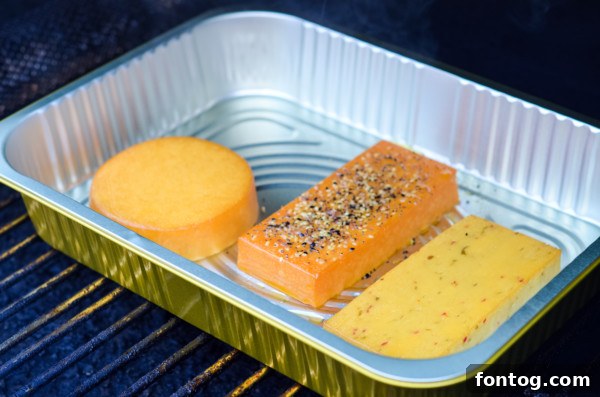
- Cheddar: A classic choice, both mild and sharp cheddar varieties absorb smoke beautifully. Sharp cheddar develops a particularly tangy and robust smoky profile, while mild offers a smoother, more approachable flavor.
- Gouda: Known for its creamy, buttery texture and slightly sweet notes, smoked Gouda is an absolute delight. The smoke complements its richness, creating a wonderfully complex taste.
- Mozzarella (Low-Moisture, Part-Skim): This versatile cheese can be smoked and then used in a myriad of dishes, from pizzas and pasta bakes to grilled cheese sandwiches. The smoky flavor adds an exciting dimension. Ensure you’re using the firmer, low-moisture block mozzarella, not fresh mozzarella balls.
- Monterey Jack / Pepper Jack: These cheeses offer a mild, slightly tangy, or spicy base that pairs excellently with smoke. Pepper Jack, in particular, gets an extra kick that is fantastic on a cheese board or in spicy dishes.
- Provolone Cheese: With its mild, slightly nutty flavor, provolone becomes incredibly savory when smoked. It’s a fantastic addition to sandwiches, especially roast beef, or melted over various dishes.
- Swiss Cheese: The distinct nutty and slightly sweet flavor of Swiss cheese takes on a delicious new character with a touch of smoke, making it great for sandwiches or as part of an appetizer platter.
- Colby or Colby Jack: Similar to cheddar but milder and softer, these cheeses are very approachable and become even more appealing with a gentle smoky kiss.
When selecting your cheese, consider buying blocks rather than shredded or pre-sliced varieties. Blocks allow for more even smoke penetration and better texture preservation.
Understanding the Cold Smoking Process with a Pellet Grill
The key to successful cold smoking on a pellet grill lies in generating smoke without significant heat. This is achieved by keeping your pellet grill’s main burner turned OFF. Instead, you’ll rely on a specialized accessory: a smoke tube.
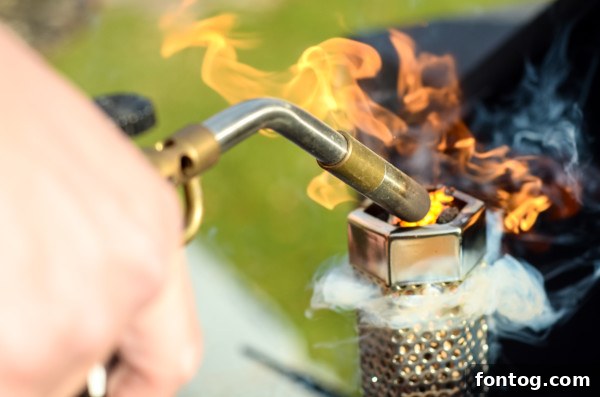
A smoke tube is a simple, perforated metal tube or maze designed to hold wood pellets or wood chips. Once filled, the pellets are ignited using a high-intensity heat source, most commonly a butane torch. After a minute or two, the flame is extinguished, and the smoldering pellets will produce a steady stream of smoke for several hours without generating excessive heat.
Here’s how it generally works:
- Fill the Smoke Tube: Load your chosen wood pellets into the smoke tube, packing them firmly but allowing for airflow.
- Ignite the Pellets: Use a butane torch to light the pellets at one end of the tube. Hold the flame on the pellets for 1-2 minutes until they are fully ignited and producing a consistent flame.
- Extinguish and Smolder: Blow out the flame, ensuring the pellets are now smoldering and producing clean, wispy blue smoke, not thick white smoke (which indicates incomplete combustion and can impart a bitter flavor).
- Placement: Carefully place the smoldering smoke tube directly on the grill grates inside your pellet grill.
- Smoke Generation: The smoke tube will generate a significant amount of smoke, effectively transforming your pellet grill into a cold smoker, all while the grill’s power remains off. This allows you to impart that desired smoky flavor without any additional heat that would melt your cheese.
Maintaining a temperature inside the pellet grill of 90°F (32°C) or lower is paramount for successful cold smoking. This temperature range is crucial to prevent the cheese from softening or melting. Using an external thermometer placed near the cheese can help you monitor this critical factor. On warmer days, this might be challenging, so choosing a cooler day for smoking cheese is often recommended.
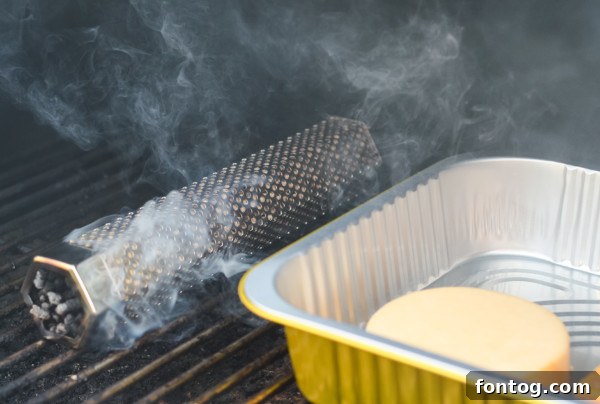
Once your chosen cheeses are prepared and placed on the grill, and your smoke tube is actively producing smoke, simply close the lid of your pellet grill. Allow the cheese to cold smoke for approximately 2-4 hours, depending on your desired intensity of smoke flavor. This timeframe is ideal for achieving a balanced smoky profile without overpowering the cheese’s natural taste.
Selecting the Right Wood Pellets for Smoked Cheese
The type of wood pellets you choose will significantly influence the final flavor profile of your smoked cheese. Different wood varieties impart distinct notes, ranging from mild and fruity to strong and robust. Experimentation is part of the fun, but here are some excellent starting points:
- Apple Wood Pellets: These provide a nice subtle, sweet, and fruity smoke flavor that is incredibly versatile and rarely overpowering. It’s an excellent choice for most cheeses, especially milder ones like Gouda or Monterey Jack.
- Cherry Wood Pellets: Similar to apple, cherry wood offers a delicate, sweet, and slightly fruity smoke. It imparts a beautiful reddish hue to the surface of the cheese and pairs wonderfully with cheddar or provolone.
For those who prefer a more significant, robust, or bolder smoky flavor, consider:
- Hickory Wood Pellets: Hickory delivers a strong, bacon-like, savory smoke that stands up well to sharper cheeses like aged cheddar. Use sparingly if you’re new to smoking, as it can quickly become overpowering.
- Oak Wood Pellets: Oak provides a medium-strength, classic smoke flavor that is slightly less intense than hickory but more pronounced than fruitwoods. It’s a great all-around choice for a wide variety of cheeses.
You can also create custom blends of pellets to achieve unique flavor combinations. For your first few attempts, it’s often best to stick with a single, milder wood type to get a feel for the process and the intensity of the smoke.
Essential Tips for Perfect Pellet Grill Smoked Cheese
Achieving perfectly smoked cheese is simple with a few key considerations. Follow these tips for the best results:
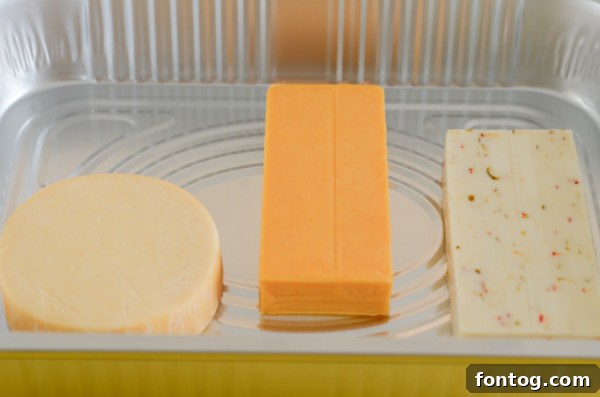
- Prepare Your Cheese Properly: Before smoking, unwrap your cheese blocks and let them air dry in the refrigerator for at least an hour, or even overnight. This creates a pellicle (a slightly tacky surface) that helps the smoke adhere better, leading to a more consistent flavor and preventing a rubbery texture.
- Use an Aluminum Pan or Baking Sheet: Place your blocks of cheese in an aluminum pan or on a baking sheet. This makes it easy to transfer the cheese to and from the grill and helps contain any potential drips, keeping your grill clean. Ensure there is some space between the blocks for even smoke distribution.
- Enhance Flavor with Coatings: For an extra layer of flavor and texture, lightly coat the cheese blocks with olive oil spray. You can then sprinkle them with seasonings such as “Everything Bagel” seasoning, cracked black pepper, or a custom herb blend. This creates a delicious crust and adds aromatic notes.
- Maintain Critical Low Temperature: This cannot be stressed enough: the internal temperature inside the smoker MUST remain at or below 90°F (32°C). This is absolutely crucial to prevent the cheese from melting. Use a reliable probe thermometer or an accurate oven thermometer inside the grill, near the cheese, to monitor the ambient temperature.
- Choose the Right Pellets: As discussed, select wood pellets whose flavor profile complements your chosen cheese and your desired smoke intensity. Milder fruitwoods are safer bets for beginners.
- Optimal Smoking Duration: The timing is key to controlling smoke intensity. For a light, subtle smoke flavor, cold smoke the cheese for 2 hours. If you prefer a more pronounced and robust smoky flavor, extend the smoking time to 4 hours. Avoid smoking for much longer than 4 hours, as the cheese can become overly smoky and bitter.
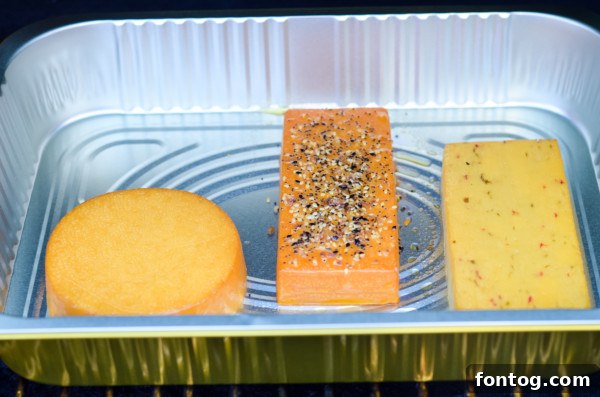
- Ensure Even Smoking: For more uniform smoke penetration, consider rotating the cheese blocks halfway through the smoking time. This ensures all sides are exposed to the smoke.
- Proper Smoke Tube Operation: Always follow the manufacturer’s instructions for your specific smoke tube. Pay attention to how to fill, ignite, and maintain a steady smolder for optimal smoke production and safety.

- Smoke on a Cooler Day: Cold smoking is best performed when ambient temperatures are low. Cooler autumn, winter, or early spring days are ideal, making it easier to maintain the crucial sub-90°F (32°C) temperature inside your pellet grill. Avoid hot summer days, as the grill interior might get too warm even with the burner off.
Storing Your Delicious Smoked Cheese for Optimal Flavor
The journey of smoked cheese doesn’t end when it comes off the grill. In fact, many connoisseurs believe the flavor truly develops during a resting or “aging” period in the refrigerator. Immediately after smoking, the cheese can have a strong, sometimes acrid, smoke flavor.
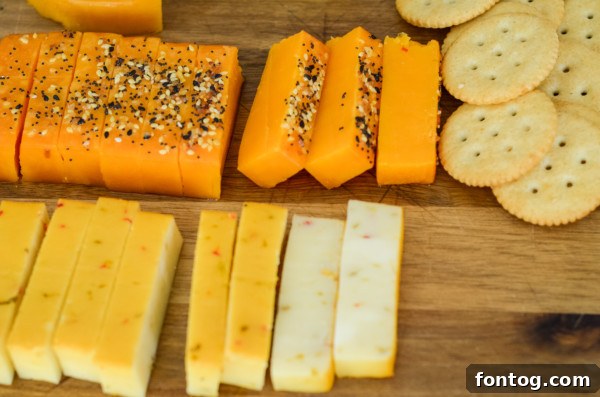
Once your cheese has been removed from the grill, allow it to cool completely to room temperature. This is an important step to prevent condensation from forming when it’s wrapped, which could lead to mold. After it’s fully cooled, proper storage is essential:
- Parchment Paper: Wrap each block tightly in parchment paper first. This allows the cheese to breathe slightly, preventing it from getting too moist.
- Plastic Wrap or Vacuum Sealer: After the parchment paper, add a second layer of protection with plastic wrap, ensuring an airtight seal. For the best long-term storage and flavor development, a vacuum sealer is highly recommended. It removes all air, preventing oxidation and preserving the cheese’s quality.
- Refrigeration: Store the wrapped or sealed smoked cheese in the refrigerator. It can be safely stored for up to 2 weeks, or even longer if vacuum-sealed (up to a month or more, depending on the cheese type and sanitation).
The magic happens during storage: the smoky flavor will gradually mellow and penetrate deeper into the cheese, becoming more balanced and integrated over time. It’s often recommended to let smoked cheese “rest” in the fridge for at least 24-48 hours, and ideally up to a week, before consuming. This patience will be greatly rewarded with a superior flavor profile.
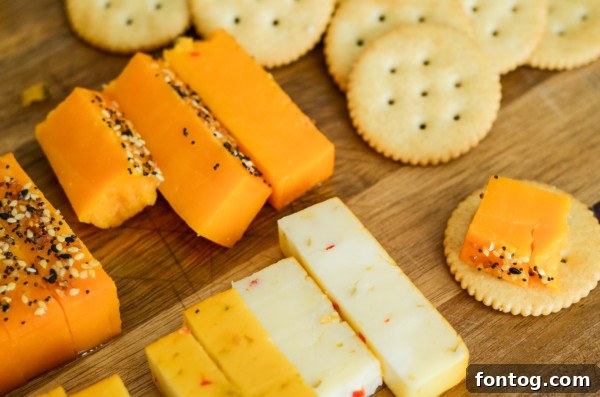
Smoking cheese on a pellet grill is a truly wonderful and accessible way to elevate your everyday meals, impress at gatherings, or simply enjoy a delicious snack. By understanding the cold smoking method, selecting the right cheeses and wood pellets, and paying attention to crucial temperature control, you can easily create artisanal smoked cheese right in your backyard. The process is straightforward, requires minimal effort, and yields incredibly flavorful results. So, grab your smoke tube, pick your favorite cheese, and prepare to savor the wonderful taste of homemade smoked cheese!
Pellet Grill Smoked Cheese Recipe

Created by: Kristy Still
Pellet Grill Smoked Cheese
Course: Appetizer
Cuisine: American
Servings: 8 Servings
Prep Time: 10 mins
Cook Time: 4 hrs
Total Time: 4 hrs 10 mins
Learn how to smoke cheese on a pellet grill using the cold-smoked method and a smoke tube for amazing flavor.
Print Recipe
Ingredients
- 1 Block Sharp Cheddar Cheese
- 1 Block Pepperjack Cheese
- 1 Block Gouda Cheese or Additional Hard Cheeses
- Olive Oil Spray
- Everything Seasoning
- Smoke Tube
- Butane Torch
- Aluminum Pan or Cast Iron Skillet
Instructions
- Begin by preparing the cheese. Place each block of cheese in an aluminum pan or on a cast iron skillet, ensuring they are not touching for even smoke exposure. If desired, lightly coat the blocks with olive oil spray and sprinkle with “Everything Seasoning” or your preferred spice blend for added flavor and texture.
- To create cold smoke without generating heat, ensure your pellet grill is turned OFF. Fill a smoke tube with your chosen wood pellets (apple or cherry are recommended for cheese). Light one end of the pellets with a butane torch, holding the flame for 1-2 minutes until they are fully ignited and producing a steady flame.
- Carefully extinguish the flame by blowing it out. The pellets should now be smoldering and producing thin, wispy blue smoke. Place the smoldering smoke tube inside the pellet grill, directly on the grill grates.
- Position the aluminum pan of cheese next to the smoke tube on the pellet grill grates. Close the lid of the grill. Monitor the internal temperature of the grill to ensure it stays below 90°F (32°C) throughout the process.
- Allow the cheese to cold smoke for 2-4 hours. For a milder smoked flavor, remove the cheese after 2 hours. For a more intense and robust flavor, continue smoking for the full 4 hours. Avoid over-smoking, as this can lead to a bitter taste.
- If preferred, and to ensure uniform smoke penetration, rotate the cheese blocks halfway through the smoking time.
- Once the desired smoking time is complete, carefully remove the cheese from the grill. Allow it to cool completely to room temperature. This is crucial before packaging to prevent condensation.
- Once cool, wrap each block of smoked cheese tightly in parchment paper, then an additional layer of plastic wrap, or use a vacuum sealer for best results. Store the wrapped cheese in the refrigerator for 1-2 weeks, or even longer if vacuum-sealed. The flavor will continue to deepen and mellow over the next few days to a week.
Notes
Nutritional Information will vary significantly depending on the specific type of cheese used and the serving size. This recipe provides estimated values only.
This method works best with hard or semi-hard cheeses that do not melt easily. Excellent choices include cheddar, gouda, low-moisture mozzarella, Monterey Jack, or provolone.
Nutrition
Serving: 1 Serving | Calories: 1kcal | Carbohydrates: 0.004g | Protein: 0.1g | Fat: 0.1g | Saturated Fat: 0.05g | Polyunsaturated Fat: 0.003g | Monounsaturated Fat: 0.02g | Cholesterol: 0.2mg | Sodium: 2mg | Potassium: 0.2mg | Vitamin A: 2IU | Calcium: 2mg | Iron: 0.001mg
Did you make this recipe?
Make sure to tag #mommyhatescooking on Instagram and follow for more @momhatescooking