Unearthing Culinary Treasures: A Journey Through Vintage Cookbooks and Enduring Family Stories
There’s a unique magic to vintage cookbooks that modern culinary guides simply can’t replicate. Lately, I’ve found myself completely captivated by their charm, diving deep into their time-worn pages and discovering a world where life and cooking seemed delightfully simpler. It’s a journey back to an era where ingredients were wholesome, recipes were straightforward, and the joy of creating a meal was intrinsically tied to practicality and resourcefulness. This fascination isn’t just about the food; it’s about the tangible connection to a bygone era, a sense of nostalgia for a time I never fully experienced but can glimpse through these culinary relics.
What truly sets vintage cookbooks apart is their refreshing authenticity. They don’t demand exotic, hard-to-find ingredients or complex culinary techniques that require specialized equipment. Instead, their recipes are built upon staples readily available in any mid-century pantry – items that your grandmother, or perhaps even your great-grandmother, would have kept on hand. This simplicity is incredibly appealing in today’s fast-paced world, offering a grounding experience that reminds us of the fundamental pleasures of home cooking. It’s a stark contrast to the often intimidating culinary landscape of today, where gourmet ingredients and intricate presentations can sometimes overshadow the pure joy of a well-made, comforting dish.
The Enduring Legacy of Better Homes and Gardens: A Gift from Grandma
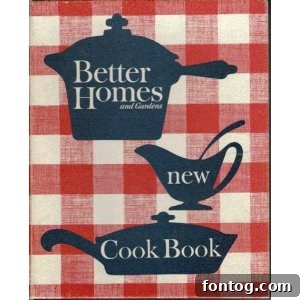
My grandmother, a fount of wisdom and cherished memories, recently shared several of her old cookbooks with me, each one a piece of her history. Among them was a true gem: the 1965 edition of the Better Homes and Gardens Cook Book. This isn’t just any cookbook; it’s an iconic piece of American culinary history, known for its comprehensive nature, practical advice, and collection of dependable recipes that formed the backbone of countless family meals across generations. The very act of holding this book, feeling its slightly worn cover and turning its familiar spiral-bound pages, evokes a powerful sense of connection to my family’s past and the broader cultural landscape of the 1960s.
Beyond the recipes themselves, I adore the aesthetic of these older books. Many feature charming black and white photographs that, while simple, capture the essence of the dishes and the era. These images aren’t just illustrations; they’re windows into a time when food photography was less about glamour and more about honest representation. It’s also remarkable how the foundational principles of cooking endure. While trends in cuisine may come and go, the core techniques and classic flavor combinations found in these vintage treasures remain timeless, proving that good food, prepared with care, transcends fleeting fads. This particular edition of Better Homes and Gardens represents a cornerstone of American domesticity, guiding home cooks through everything from everyday dinners to holiday feasts, and its influence continues to resonate today.
A Hidden Treasure: The Inscription and the Tupperware Legacy
As I carefully opened the pages of this cherished Better Homes and Gardens cookbook, my fingers tracing the familiar contours, I discovered something truly special on the very first page. A handwritten note, inscribed with a graceful flourish, read: “To Bonnie from your Unit, ‘The Poly Dolls.'” – Jun 17th, 1966. This seemingly simple inscription immediately transported me back in time, unlocking a fascinating chapter of my grandmother’s life and revealing a vibrant community of women that thrived in the mid-20th century.
This note, I learned, was a farewell gift to my grandmother, Bonnie, from her Tupperware sales unit, affectionately known as ‘The Poly Dolls.’ It marked a significant turning point in her life, given to her when she had to cease her successful career as a Tupperware saleswoman due to a move from Oklahoma to Michigan in the 1960s. Tupperware parties in that era were more than just sales events; they were vital social gatherings, opportunities for women to connect, share experiences, and even build successful entrepreneurial careers from their homes. My grandmother was, by all accounts, an extraordinary Tupperware saleswoman, a testament to her outgoing personality and keen business sense. Her dedication and sales prowess were such that she even earned a car, a significant achievement and symbol of success for a woman in that period. It speaks volumes about her drive and the opportunities that Tupperware offered to women seeking independence and income outside traditional employment. To this day, I’m fairly certain she still possesses a remarkable collection of that durable, classic Tupperware, pieces that have stood the test of time, much like the timeless recipes in her cookbook.
From Oklahoma to Michigan and Back: A Family’s Ford Journey
The story of my grandmother’s move, prompted by life’s unfolding chapters, inadvertently set in motion a remarkable series of events that would shape generations of my family. It’s a compelling narrative that highlights how seemingly small decisions can lead to profound, long-lasting impacts. Shortly after my grandparents settled in Michigan, a new opportunity arose: my father, along with my grandfather, secured employment at Ford Motor Company. This was a common trajectory for many families during the post-war industrial boom, where major corporations like Ford offered stable, well-paying jobs that could sustain entire communities and provide a secure foundation for family life. The allure of consistent work and the promise of a future at a renowned company like Ford were powerful magnets, drawing people to manufacturing hubs across the nation.
It was in this new Michigan setting, amidst the humming factories and vibrant community built around the automotive industry, that my father met my mother. Their story began there, interwoven with the fabric of their new home state. Life continued, decades passed, and then, some 40-plus years after their initial migration, the family’s journey came full circle. My parents, along with the rest of our immediate family, found themselves back in Oklahoma. This return was facilitated by my father’s job transfer in the 1970s, a testament to the dynamic nature of corporate employment and the ebb and flow of regional economies. It’s truly incredible to reflect on the circular path of their lives, from Oklahoma to Michigan for opportunity, and then back to Oklahoma as new opportunities emerged or old ones shifted.
The most recent chapter in this ongoing family saga occurred just a few months ago when my father officially left Ford after an astounding 42 years of dedicated service. His departure was not by choice but due to the regrettable closure of the Ford plant here in Oklahoma. This event, while sad, serves as a poignant reminder of how much the world of work has transformed. In an era defined by rapid technological advancements, globalized markets, and constantly evolving industries, the concept of staying with a single employer for over four decades is virtually unheard of. It highlights a shift from an industrial economy built on lifelong careers to a more fluid, often less secure, job market where adaptability and frequent career changes are the norm. My father’s incredible tenure at Ford is a testament to an era of stability and loyalty that has largely faded, making his story even more remarkable and a powerful reflection on changing times.
The Enduring Power of Stories and Objects: Connecting Generations Through Culinary Heirlooms
It is truly remarkable how a small, unassuming note, tucked away in the front of an old cookbook, can unlock a lifetime of stories, memories, and personal history. These aren’t just anecdotes; they are the threads that weave together the tapestry of a family’s legacy, offering profound insights into the lives, choices, and experiences of those who came before us. This vintage Better Homes and Gardens cookbook is far more than a collection of recipes; it is a tangible portal to the past, a silent storyteller holding within its pages the echoes of my grandmother’s entrepreneurial spirit, the migration of a family in search of opportunity, and the unwavering dedication of a father to his career.
Such heirlooms, whether they are cookbooks, pieces of furniture, or old photographs, possess an inherent power to transcend generations. They serve as physical links to our ancestors, allowing us to not only remember them but to better understand the world they inhabited and the challenges and triumphs they faced. In an age dominated by digital information, there’s a profound, irreplaceable value in holding an object that has been touched by loved ones, an item that carries the weight of their experiences and stories. These objects encourage us to pause, reflect, and appreciate the richness of our heritage, fostering a deeper connection to our roots and a greater appreciation for the journey that led us to where we are today.
The stories embedded within these vintage cookbooks often go beyond individual family histories, offering glimpses into broader cultural shifts and societal norms. They reflect changing tastes, evolving kitchen technologies, and the social fabric of communities. Preserving these culinary treasures, and the narratives they inspire, is a way of honoring our past and ensuring that the wisdom, ingenuity, and simple pleasures of previous generations are not forgotten. They remind us that at the heart of every recipe lies a story, a memory, and a connection that can nourish not just our bodies, but our souls.
As I continue to explore the pages of my grandmother’s 1965 Better Homes and Gardens cookbook, I’m not just looking for dinner ideas; I’m discovering fragments of a life lived with purpose, love, and resilience. Each spill and handwritten adjustment tells a tale of countless meals shared, laughter echoing through kitchens, and the quiet satisfaction of providing for loved ones. This journey through culinary history has truly enriched my understanding of my family and the enduring power of simple things. Now, I turn to you, fellow enthusiasts of the past and purveyors of kitchen wisdom:
What’s your favorite vintage cookbook, and what stories or memories does it hold for you?